
Are Renters Getting Tired of High-Rise, Cookie-Cutter Condos?
Jump Ahead
As a realtor, I’m seeing something interesting: a subtle shift in renter preferences.
After years of marketing and living in new high-rise condo towers, many renters seem to be rethinking whether “new tower + tiny footprint” is really giving them what they want.
In my view, there’s growing interest in smaller apartments or renovated houses with character — not because people suddenly want old for old’s sake, but because lived experience is revealing what matters day-to-day.
In this article I’ll explore why I believe this shift is happening, how it shows up in data and listings, and what it means for renters and landlords/investors alike.
Why the “tower/tiny condo” model is showing its limits
Over the past decade in Toronto and the GTA, high-rise condo developments have skyrocketed. Developers built many units with small footprints to maximize available units and profits.
But as you and I know from working with renters, “living” is different than “buying/investing”. Some of the pain-points that I hear again and again:
Tiny footprints mean limited to almost no storage, awkward furniture layouts, and little flexibility.
Towers often mean more dependence on elevators, more rules, more noise from common areas, more complications with pets/parking.
For renters planning to stay longer than a year or two, these limitations become meaningful.
And in the Toronto market we’re seeing a softening of rents for certain small condos: e.g., condo rents in the Greater Toronto Hamilton Area (GTHA) dropped about 7.4 % in Q1 2024 year-over-six-months. Storeys+1
In short: what was once sold as the convenience of “tower living close to transit, downtown lifestyle, new building” is now being weighed by renters against practicality, value, and “does this feel like a home”.
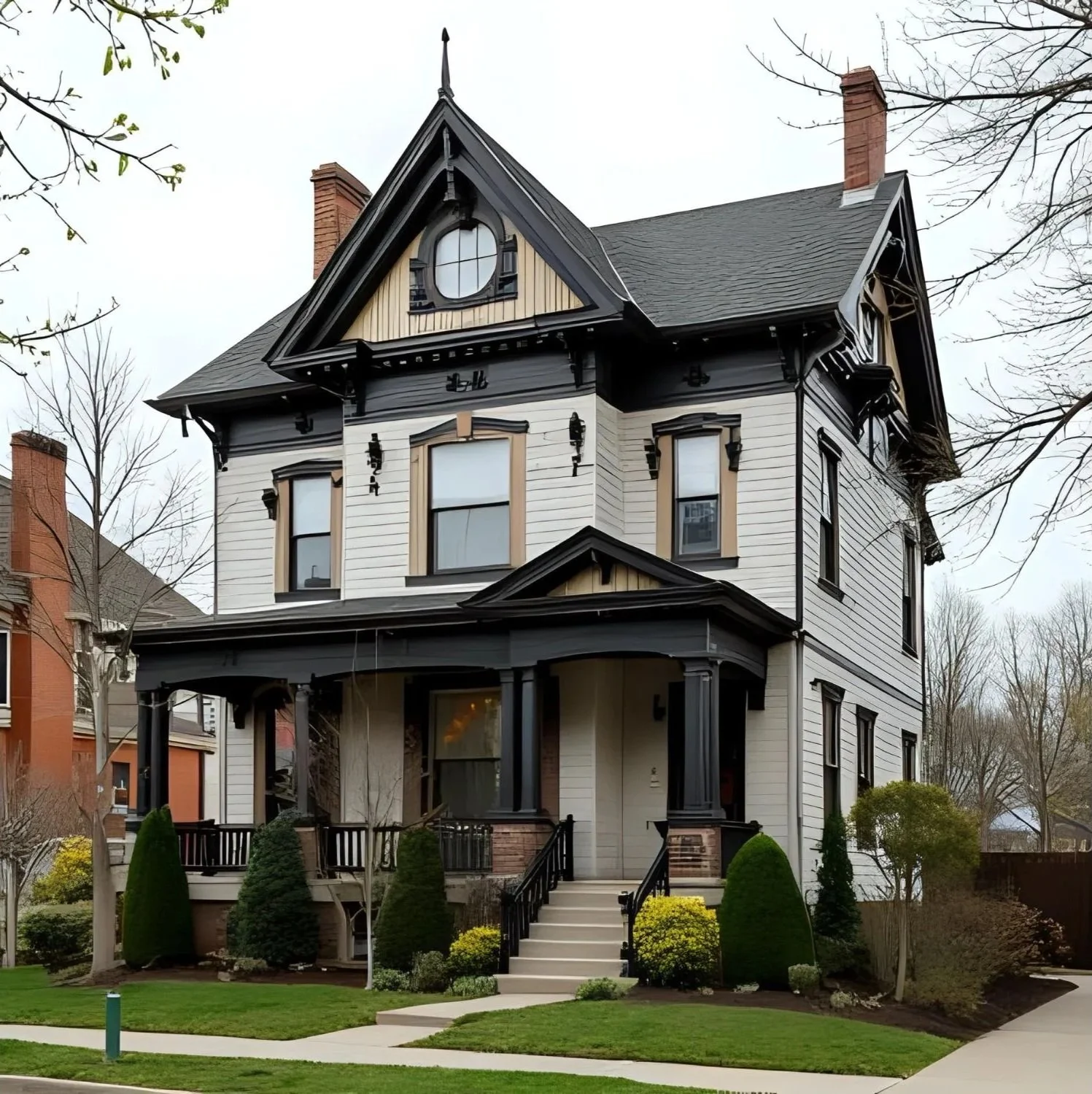
The appeal of renovated houses or older buildings with character
So, if some renters are becoming less enthusiastic about new tiny condos, where are they looking? In my view, three related trends are worth highlighting.
1. More space and better layouts
Many renters express a desire for more functional layouts. Whether it’s an older house that’s been upgraded, a smaller multi-unit home, or a low-rise apartment with larger floor plate: space matters. Studies show that single-family homes for rent remain popular for this reason: more bedrooms, more flexibility, more privacy.
2. Character + feel-good finishes
Older homes or buildings often have architectural details, bigger windows, higher ceilings (in older houses), or just a more “real home” feel rather than “stacked shoebox in the sky”.
Incorporating thoughtful renovations — open concept, modern kitchens/baths, better storage — makes them appealing. Renovation-focused research shows that renters value well-designed, functional, aesthetic spaces.
3. Renters become more discerning
Another factor: renters are staying renters longer (whether by choice or necessity).
That means the rental decision isn’t always a temporary stop-gap but this is home for the next few years.
When that is true, things like layout, storage, natural light, and the “feel” of the place become more important.
In the older/renovated house or apartment scenario, renters may find:
Better value per square foot (versus ultra-small new units)
More flexibility (room for guests, home-office, pets)
A sense of owning the space (even though they rent) because perhaps the space simply feels more home-like.
Why this matters for landlords & investors
If you’re involved in rental real estate, these shifting preferences have implications.
For landlords/investors: It means simply building the smallest possible condo unit and expecting premium rents may become more challenging. The market may increasingly reward units with better liveability, not just new/luxury finishes.
For marketing/listing: When you list a renovated older house or a larger apartment with character, highlight aspects that tap into what renters now care about: storage, layout, natural light, flexible space, character features, renovated kitchens/baths.
For realtors: We can help renters clarify what they value over the next 2-5 years. Are they okay with a 450 sq ft new tower unit for 1–2 years, or do they want something they can stay in longer? Helping them articulate those preferences leads to better matches and fewer turnovers.
For urban planning/market watchers: The oversupply of ultra-small units and softening rents in that segment suggest something may need to change. In Toronto, the “tiny condo” problem (undersized units built primarily for investor sub-markets) has been flagged in media.
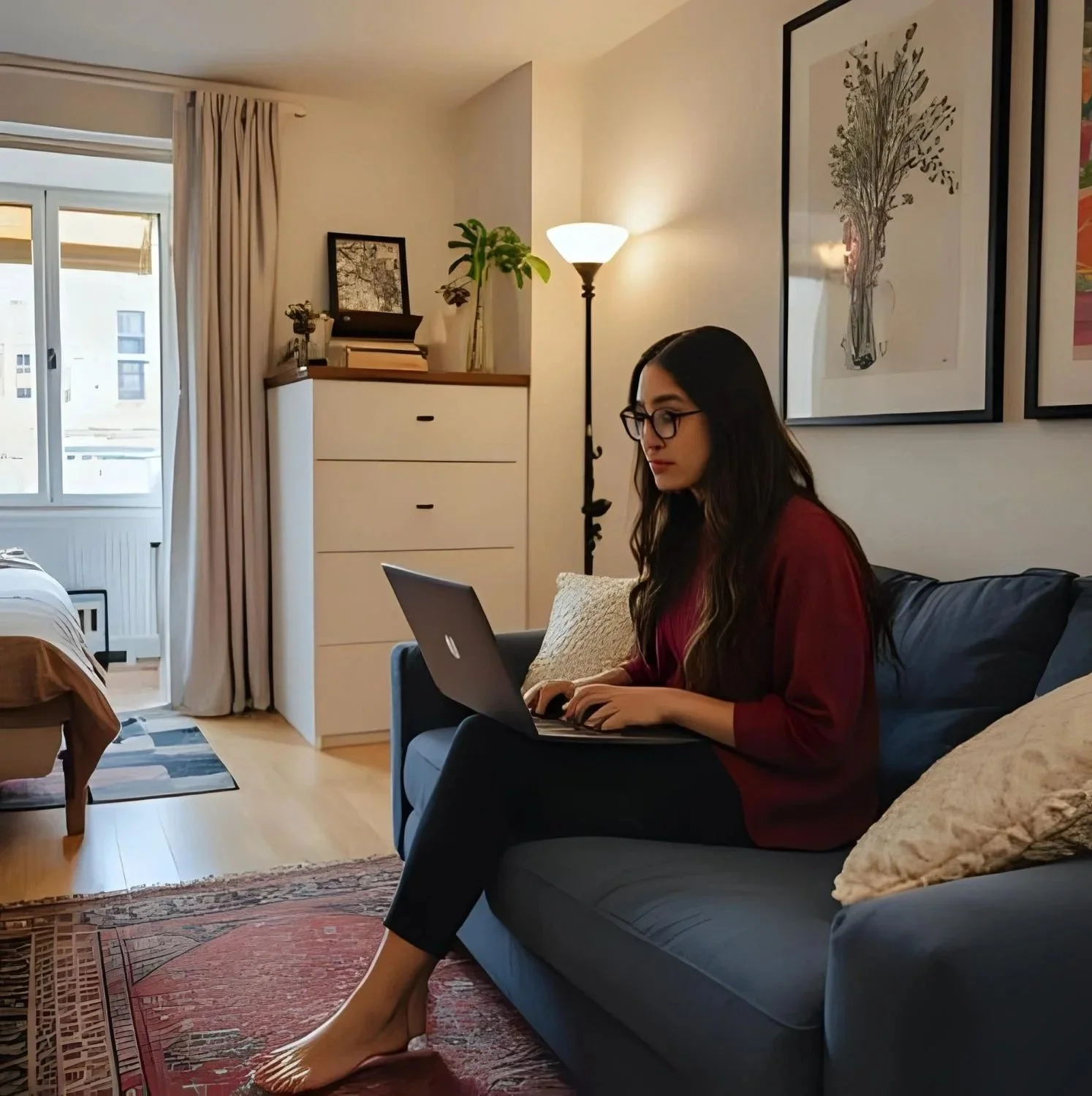
My experience in the Toronto/GTA rental market
In my work over the past year I’ve seen several concrete examples:
Many newly-built 400-500 sq ft one-bed tower units in downtown Toronto sit vacant for weeks (despite high marketing) because renters prioritized storage / pet-friendly / quieter neighbourhood over “brand new”.
A renovated older house (circa 1950s) in a mid-town neighbourhood that rented quickly because renters appreciated the extra room for a home-office + guest space + character built in (arched doorways, big windows) — and were willing to pay a modest premium.
Several renters saying they’d rather “compromise on looking a little further out” rather than accept a 475-sq-ft studio in a new high rise that felt cramped and “short-term”.
All of which confirm: the “new high-rise tiny condo” model still has its place (especially for singles, students, very short-term rentals), but for many renters the lifestyle trade-offs are shifting.
What to watch for (and how to use this insight)
If you’re advising renters, or listing rental properties, or investing in rental stock, here are some practical take-aways:
Ask renters what they actually intend to do: Are they planning to stay 12 months, 3 years, 5 years? The longer the horizon, the more important liveability becomes.
Highlight the functional benefits of a property: “Guest room/home office”, “extra storage”, “upgraded kitchen/bath”, “character features”.
Be cautious about ultra-small units: Smaller units may rent faster in some segments, but they may also face higher turnover, more complaints about lack of space, and eventually downward pressure on rent.
Renovations matter: Even in older stock, smart, well-executed renovations that improve layout, storage, lighting and finish quality add value.
Marketing message matters: For example, instead of “Brand new building, skyline views!”, consider “Renovated home with real room to live, workspace, character just steps from transit”.
Data check: Keep an eye on rent trends by unit size, building age, neighbourhood. In the GTA the decline in rent for some condo units is a signal.
What this means for renters
If you’re a renter reading this, here are a few thoughts to reflect on:
Don’t assume “new tower = best choice”. Consider how you live: Do you work from home? Do you entertain? Do you have pets/visitors?
Consider whether you’ll stay more than a year or two. If yes, then the “feel” of the space, storage, flexibility of layout matter more than just “shiny and new”.
Explore older houses or apartments that have been renovated. They may offer better value and improved liveability than the newest tiny unit.
Ask about the building/house: What’s the storage like? How many units share the elevator? What are the rules? What is the maintenance of building/house like?
Balance location vs liveability: Of course downtown and transit-friendly locations are appealing, but if the unit is so small that you feel restricted or uncomfortable, you might prefer slightly further out with more room and better layout.
Conclusion
In my view as a rental real-estate agent in Toronto, we’re at a subtle inflection point in renter preference. The “more units, smaller footprints, high-rise towers” model that dominated for a while is showing cracks — especially for renters who are staying longer, want more living value, and appreciate character and space.
Renovated houses or smaller apartments with thoughtful finishes, flexible layouts and real liveability are increasingly coming into favour. For landlords, investors, renters and real-estate professionals alike, this presents an opportunity: by recognising and responding to what renters truly value (beyond the “brand new building” shine), we can make better matches, happier tenants and more stable rentals.
If you’re a renter, take the time to think about your lived-experience (not just listing pictures). If you’re an investor or landlord, think about what upgrades or listing language may appeal to this emerging preference. And for rental real-estate professionals, we can lead the conversation — helping renters articulate what they really need and helping property owners deliver more of that.

