
Living in the GTA: The Complete Guide for Renters (Neighbourhoods, Costs, Lifestyle & What to Expect)
Content
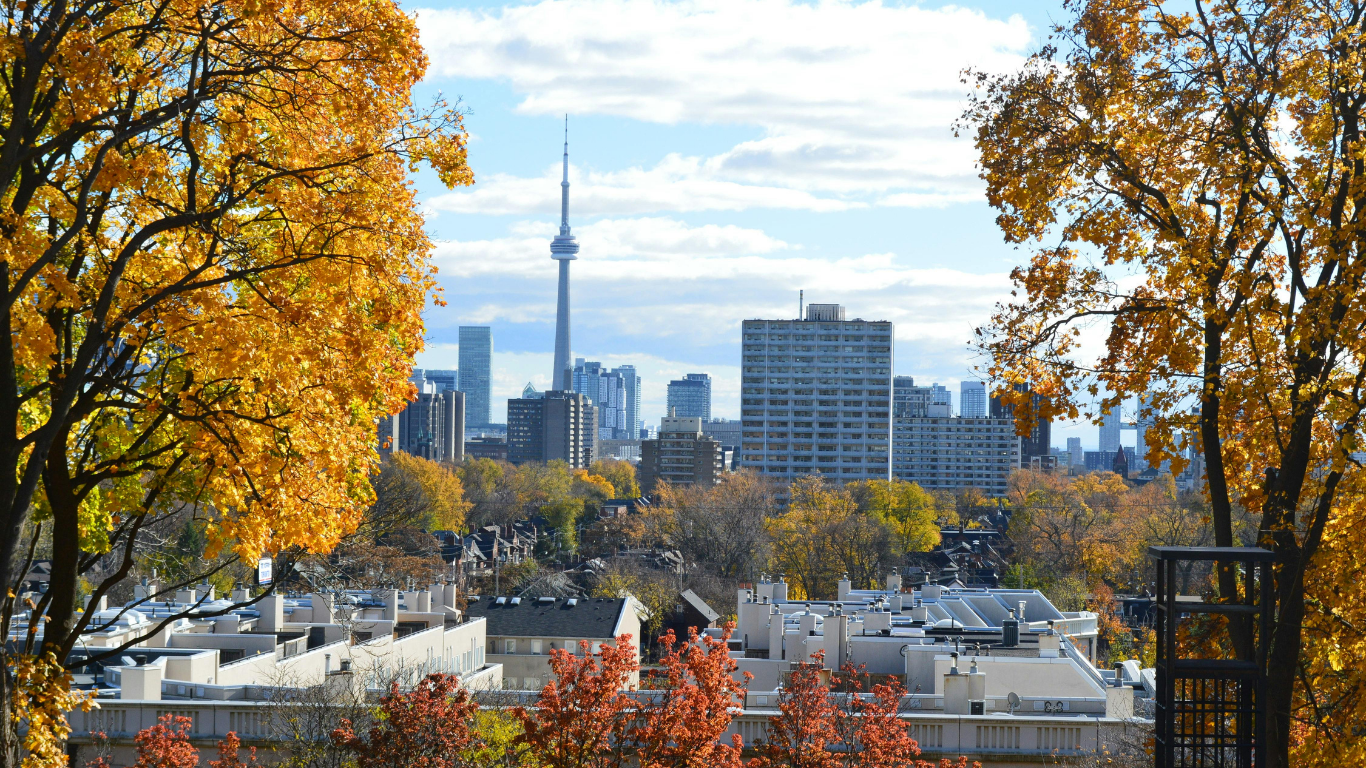
The Greater Toronto Area (GTA) offers everything from dense urban living to spacious suburban neighbourhoods.
The Greater Toronto Area (GTA) is one of Canada’s most dynamic places to live — and one of its most competitive rental markets. High demand, a wide range of neighbourhoods, constantly shifting rents, and long wait times for the right unit can make the search feel overwhelming, especially if you’re new to the region, relocating from another city, or simply trying to upgrade your current situation.
This guide is designed as your single starting point.
It gives you the big-picture view of what living in the GTA actually looks and feels like so you can make smarter decisions before diving into specific neighbourhoods or listings. I’ll cover the regions that make up the GTA, the fundamental city-versus-suburbs choice, real costs beyond the rent number, different types of neighbourhoods and who they suit, a practical framework for choosing the right area, what daily life is actually like, and the steps that help most renters succeed.
What Exactly Is the Greater Toronto Area?
The GTA includes the City of Toronto plus four surrounding regional municipalities. Together they form one of the largest metropolitan areas in North America and the economic engine of Canada.
Here’s the breakdown most renters need to know:
City of Toronto — the core. This includes downtown, midtown, the east end, west end, North York, Scarborough, and Etobicoke. It has the densest transit, the widest range of housing types, and generally the highest rents.
York Region (north of Toronto) — Vaughan, Markham, Richmond Hill, Newmarket, Aurora, and surrounding communities. Known for newer housing, family-oriented neighbourhoods, and growing employment centres.
Peel Region (west) — Mississauga, Brampton, and Caledon. Mississauga offers a strong mix of urban and suburban living; Brampton is often more affordable; Caledon is more rural.
Halton Region (further west) — Oakville, Burlington, Milton, and Halton Hills. Generally higher-end suburban living with strong schools, parks, and lake access in places.
Durham Region (east) — Pickering, Ajax, Whitby, Oshawa, and surrounding areas. Often more affordable than the west side, with improving transit links via GO and highways.
These areas are connected by the TTC subway and streetcar network (mainly within Toronto), GO Transit trains and buses for regional travel, highways (401, 400, 407, QEW, etc.), and a growing network of local transit systems. The differences in lifestyle, space, commute times, and cost between the downtown core and the outer suburbs are significant. Understanding which region fits your life is the first real filter in any rental search.

The GTA is made up of the City of Toronto plus four surrounding regions — each with its own lifestyle and price points.
City vs. Suburbs: The Big Decision
One of the most important choices renters face is whether to live in Toronto proper or further out in the suburbs. There is no universal right answer — only the right answer for your priorities, budget, and stage of life.
City living (especially downtown, midtown, and well-connected west-end or east-end neighbourhoods) offers:
Walkability and dense transit
Short or zero-car commutes for many jobs
Nightlife, restaurants, culture, and constant activity
A wide variety of building types (condos, lofts, character houses, purpose-built rentals)
The trade-offs are higher rents for less space, more noise, less private outdoor space, and higher competition for good units.
Suburban living generally delivers:
More square footage for the same (or lower) rent
Quieter streets and a stronger sense of community in many areas
Easier parking and more storage
Parks, trails, and often better access to larger grocery stores and big-box retail
The trade-offs are longer commutes (especially if your job is downtown), greater reliance on a car or GO Transit, fewer late-night options, and sometimes less walkability.
Many renters start by assuming they “need” to be downtown, only to discover that a well-connected suburban location with a 35–45 minute GO or highway commute gives them a much larger unit and perhaps lower stress. Others try the suburbs and realize they miss the energy and convenience of the core. Both outcomes are common and valid.
For a full side-by-side comparison of lifestyle, costs, and practical trade-offs, see our deeper guide: Affordable Housing in the GTA: City vs. Suburbs – Who Wins?.
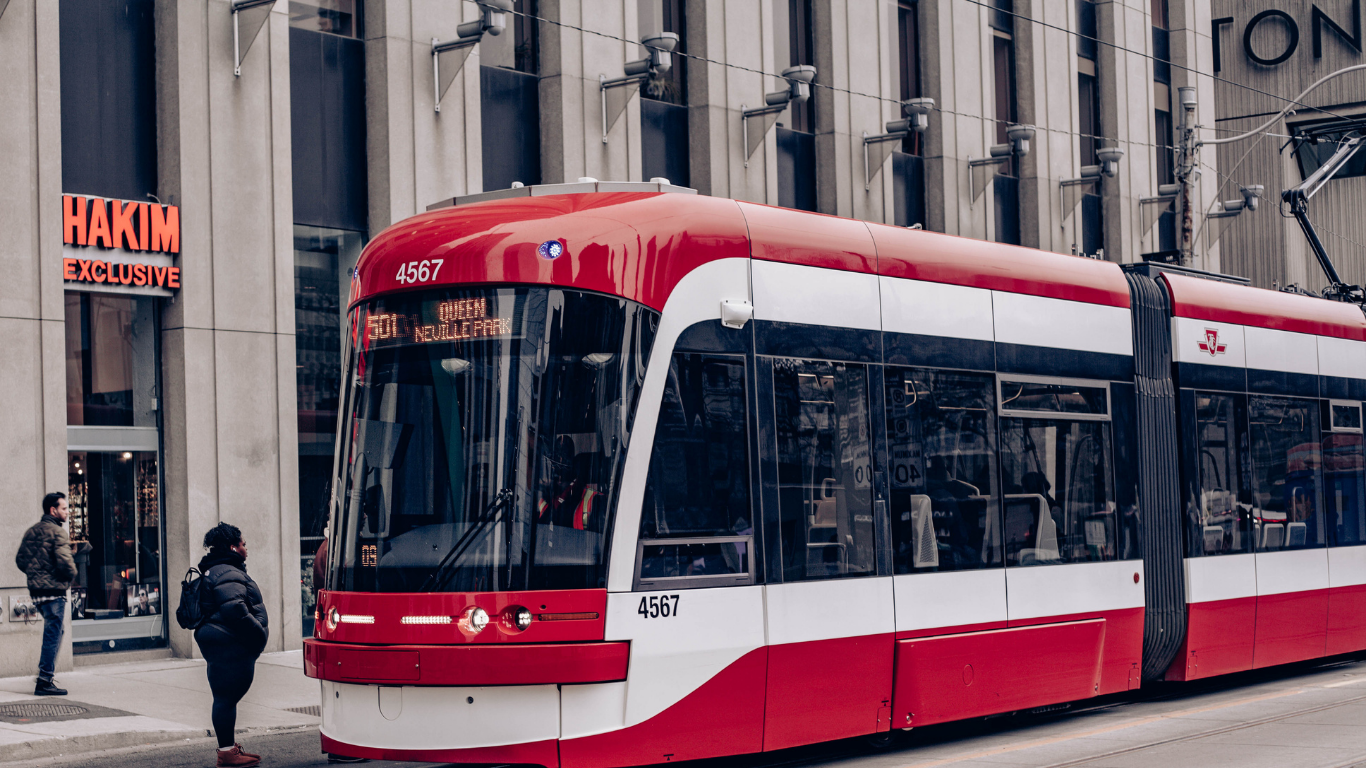
Transit access (TTC + GO) plays a major role in where most renters decide to live.
Cost of Living & Renting in the GTA
Rent is the largest single expense for most people, but it is rarely the only one that matters. A realistic budget includes the full picture.
Approximate asking rents as of late 2026 (these move month to month and vary widely by building, condition, and exact location):
Toronto one-bedroom: roughly $1,970–$2,300 (higher in prime downtown and midtown locations; some older buildings or less central areas can be lower)
Toronto two-bedroom: roughly $2,700–$3,100+
Many suburban one-bedrooms (Mississauga, Brampton, parts of Scarborough, Ajax, Pickering, etc.): $1,900–$2,200
Two-bedrooms in the same suburban areas: often $2,400–$2,800
Newer luxury condos and renovated character homes command premiums. Purpose-built rental buildings and older stock can offer better value if you’re flexible on finishes.
Beyond rent, plan for these monthly costs:
Utilities and internet: $150–$250+ (higher in winter for heating; depends on whether heat and hydro are included)
Tenant insurance: $20–$40
Transit: TTC adult fare cap is currently around $155. GO Transit adds more if you commute regionally. Driving brings gas, parking, insurance, and maintenance.
Parking: $100–$250+ in many condo buildings (sometimes more downtown)
Groceries and everyday living: highly variable, but $400–$700+ for a single person is a common range
A realistic total monthly cost for a single person in a one-bedroom often lands between $3,200 and $4,500 depending on location and lifestyle. Couples sharing a two-bedroom can sometimes come in lower per person. Families need more space and higher grocery and transit budgets.
Hidden costs that catch many renters: first and last month’s rent at move-in, key deposits, moving expenses, furniture if the unit is empty, and the reality that many “all-inclusive” listings still leave some utilities out.
For the most current numbers and detailed breakdowns across the GTA, see What It Costs to Rent Across the GTA and our post on common budget mistakes to avoid.
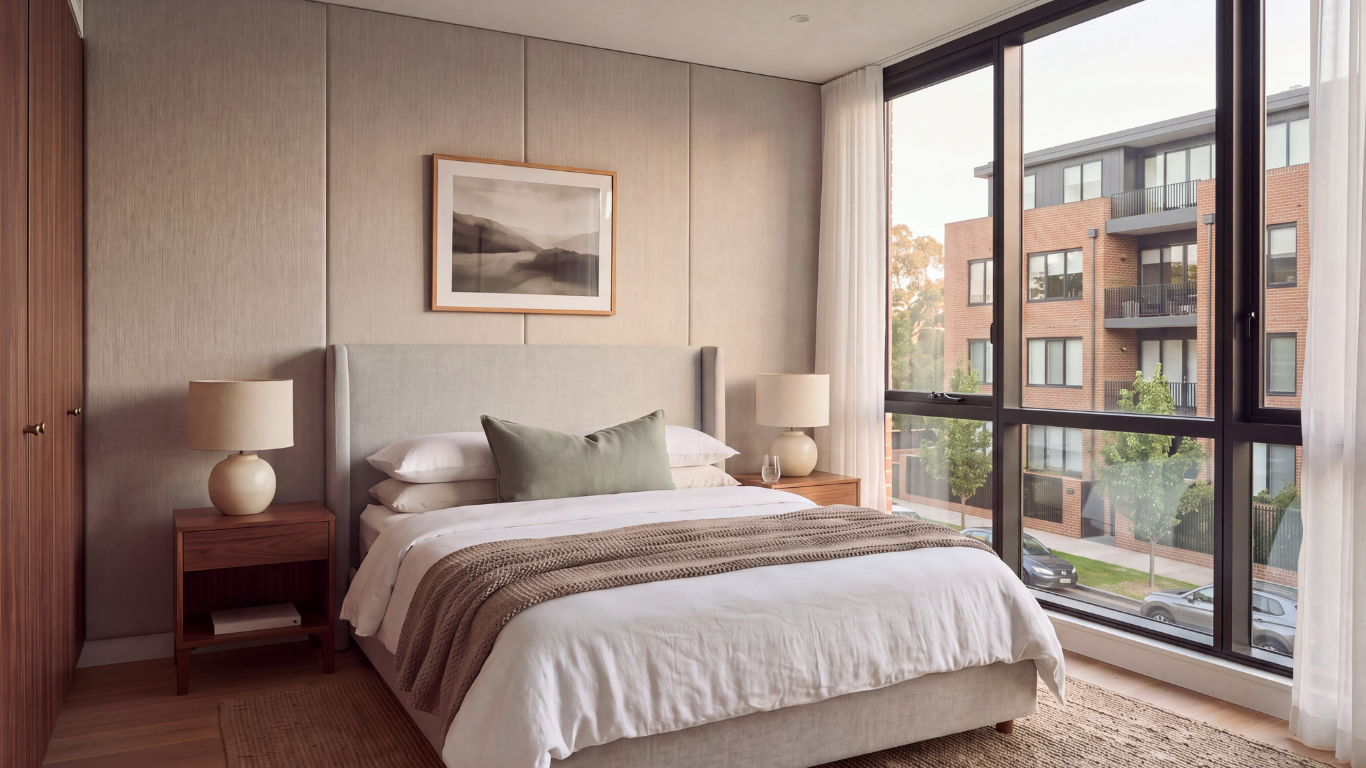
Rents vary significantly across the GTA. Location and unit type make a big difference in monthly costs.
Best Types of Neighbourhoods for Different Renters
The GTA contains almost every lifestyle option. Here’s a practical map of the main types, with examples and who they typically suit.
Vibrant urban / downtown core
King West, Entertainment District, Harbourfront, parts of the Financial District, St. Lawrence Market area, and nearby pockets.
Ideal for people who want maximum walkability, nightlife, restaurants, and short transit times. Expect higher rents, smaller units, and a faster pace. Young professionals, couples without kids, and people who work downtown often thrive here.
Trendy midtown and west-end spots
The Annex, Kensington Market, Queen West, Roncesvalles, Leslieville, Liberty Village, and parts of the Junction.
Strong character, independent shops, good food scenes, and a mix of young professionals, creatives, and some families. These areas often feel more “neighbourhood-y” than pure downtown while still being well-connected.
Family-friendly suburbs
Parts of North York, Markham, Richmond Hill, Oakville, Burlington, and certain areas of Mississauga.
More space, parks, schools, quieter streets, and a stronger community feel. Many offer solid transit or highway access. Suited to people who prioritize space, outdoor space, and a calmer environment.
More affordable outer areas
Brampton, Ajax, Pickering, parts of Scarborough, Milton, and some Durham locations.
Better value on rent and size. Commutes are longer but often manageable via GO Transit or highways. Attractive if budget and space rank higher than walkability or nightlife.
Transit-oriented and lifestyle-focused
Neighbourhoods near subway lines, major GO stations, or large parks and trails. These can be city or suburban. They work well if your priority is a reliable commute or easy access to green space.
We have detailed posts on many of these specific areas — King West, Mississauga neighbourhoods, Oakville, Milton, top spots for young professionals, park lovers, and more. Use this section as your starting map, then click through to the ones that match your priorities.
How to Choose the Right Area for You
Most people who struggle with the rental search skip the prioritization step. Start here instead.
List your non-negotiables
Maximum commute time you’re willing to accept. Hard budget ceiling (including all extras). Must-have features (outdoor space, parking, in-unit laundry, pet-friendly, elevator, etc.). Lifestyle preferences (walkable vs. quieter, nightlife vs. family-oriented, new building vs. character).Separate must-haves from nice-to-haves
This is the single most useful exercise. Many people list “must be downtown + under $2,200 + two bedrooms + parking + balcony.” In the current market that combination is rare or non-existent. Knowing which two or three items are truly non-negotiable lets you expand your search intelligently.Research the shortlist
Spend time in the areas that make the cut — walk around at different times of day, check actual transit routes and travel times, look at current listings, and talk to people who already live there if possible. Google Street View and transit apps are helpful, but nothing replaces being there.Test the commute
If your job is fixed, time the actual door-to-door trip at the hours you would travel. Peak-hour reality is often different from off-peak maps.Stay flexible on the details
The perfect unit that ticks every box is rare. The good unit that ticks the most important boxes and is available now is far more common.
For a step-by-step framework focused on Toronto (which applies well across the full GTA), see our guide: How to Choose the Right Neighbourhood in Toronto.

Choosing where to live in the GTA isn’t only about the unit. The surrounding neighbourhood determines how your days actually feel.
What Daily Life Is Actually Like
Living in the GTA means dealing with four distinct seasons, a highly multicultural food and cultural scene, and a transit system that works extremely well in some corridors and less well in others.
Winters require planning — snow, cold, and occasional ice affect walking, driving, and transit reliability. Summers are generally pleasant with plenty of outdoor activity, festivals, and patio culture. Spring and fall are short but enjoyable.
Most people who settle here appreciate the diversity, the job market, the range of neighbourhoods, and the overall energy of a large metropolitan area. The main friction points are cost of housing, competition for well-priced units, and commute times if you choose a location poorly matched to your work or lifestyle.
Newcomers often underestimate two things: how quickly good listings disappear, and how important a complete, competitive application package is. Being prepared (documents ready, clear on your budget, realistic about trade-offs) makes a noticeable difference.
Daily life also involves practical realities: PRESTO cards for transit, the need for tenant insurance in most buildings, the importance of reading the Ontario Standard Lease carefully, and the fact that “utilities included” means different things in different buildings.
Practical Tips for a Smooth Start
Get your documents ready early: government ID, proof of income (pay stubs or employment letter), credit report, and references. Having these organized lets you move fast when the right place appears.
Be clear on your must-haves versus nice-to-haves so you can act decisively.
Consider working with a rental-focused real estate agent. In Ontario the service is free for tenants and can open access to listings, faster showings, and stronger applications.
Budget for move-in costs: first and last month’s rent is common, plus possible key deposits, moving expenses, and initial setup costs.
Look beyond the photos. Visit in person when possible, check the building’s maintenance, and ask about upcoming rent increases or major renovations.
We have detailed posts on first-time renter tips, essential documents, credit scores, rental applications, surviving rent hikes, and the full moving process if you need to go deeper on any of these points.

Frequently Asked Questions
Is the GTA worth the high rents?
For many people, yes. The job market, diversity, transit options (in well-connected areas), cultural life, and overall quality of life outweigh the cost. The key is choosing an area that matches your actual budget and lifestyle rather than forcing an unaffordable location.
Which area is best for young professionals?
Downtown, midtown, and certain west-end and Liberty Village-style neighbourhoods tend to rank highly for walkability, social life, and short commutes. See our dedicated young professionals guide for more specific recommendations.
How much should I budget beyond rent?
Plan for at least $600–$1,200 extra per month for a single person (utilities, transit, insurance, food, and basics), more if you drive, have higher lifestyle costs, or live in a building where most utilities are extra.
Is it better to live downtown or in the suburbs?
It depends entirely on your priorities. Downtown wins on convenience, energy, and transit. Suburbs usually win on space, cost per square foot, and quieter living. Many people are happiest with a well-connected suburban location that still gives them a manageable commute.
How competitive is the rental market right now?
It remains competitive, especially for well-priced, well-located units in desirable buildings. Conditions can ease or tighten depending on the season and new supply coming online. Strong, complete applications still matter a great deal.
What documents do I need to rent?
Typically government-issued ID, proof of income, a credit report, and references. Some landlords also ask for a letter of employment or bank statements. Having these ready in advance is one of the highest-leverage things you can do.
Ready to Find Your Place?
Living in the GTA is highly rewarding once you match the right neighbourhood and building to your real priorities and budget. The region offers almost every lifestyle option you can imagine — the challenge is narrowing it down efficiently and acting when the right opportunity appears.
If you’d like help, that’s exactly what we do. At Rental Realtors we specialize in helping renters across the GTA find the right home — and our service is free for tenants.
Start your rental search with us → we’re happy to talk through your situation, show you options that fit, and help you navigate the process without the usual stress.
This guide will be updated periodically as rents, transit, and neighbourhood dynamics change. Bookmark it and check back, or explore the rest of the Living in the GTA category for deeper dives into specific areas, costs, and practical tips.
Rental Realtors Can Help!
Pressed for time? Let us handle the heavy lifting! At Rental Realtors, we're here to help you find your ideal rental or purchase. Contact us today and discover how easy your search can be!
