
Skip Ahead
Work Out What You Can Actually Afford
Get Your Rental Application Documents Ready
Decide What You Need in a Rental
Choose a Neighbourhood That Works for Your Everyday Life
View the Property and Look Beyond the Photos
Understand Your Lease Before Signing
Document the Condition of the Property Before Moving In
Should You Use a Real Estate Agent to Find a Rental?
Frequently Asked Questions About Renting for the First Time in Toronto
Renting your first home is a big step. If you're moving out on your own, relocating to Toronto for work or renting in Canada for the first time, there's quite a bit to organize before you get the keys.
The rental process can also move quickly. A property may look perfect online, but you'll need to know what you can afford, have your application documents ready and understand what you're agreeing to before signing a lease.
If you're renting in Toronto for the first time, these seven things will help you prepare.
1. Work Out What You Can Actually Afford
Before looking at listings, decide how much you can comfortably spend on housing each month.
Your rent is only part of the cost. Depending on the property, you may also be responsible for:
Electricity, heat and water
Internet and cable
Tenant insurance
Parking
Laundry
Moving expenses
For example, a rental advertised at $2,300 per month may cost more once utilities, internet and parking are included.
A useful starting point is to keep your rent around 30–35% of your gross monthly household income, if your circumstances allow. This is a budgeting guideline, not a landlord requirement. Your other expenses, savings and financial commitments matter too.
Also think about the money you'll need before moving in. In Ontario, landlords can generally collect a rent deposit equal to no more than one rental period, up to one month's rent. For a monthly tenancy, this is commonly called last month's rent. A refundable key deposit may also be permitted, subject to limits.
Don't confuse this with a damage deposit. Ontario landlords cannot require a damage deposit or pet deposit.
Before you start viewing properties, make sure you have enough available for the permitted deposit, your first rent payment when due, moving costs and any other agreed expenses.
2. Get Your Rental Application Documents Ready
Finding a property you like is only part of the process. You'll also need to show the landlord or listing agent that you can meet the rental obligations.
Rental applications commonly involve:
Government-issued identification
A recent credit report
An employment letter
Recent pay stubs
Previous landlord references, where available
Self-employed applicants may need different income documentation. If you're starting a new job, an employment offer or signed employment agreement may help demonstrate your expected income.
If you're new to Canada and don't have a Canadian credit history or previous Canadian landlord references, you may need to provide other relevant documentation. Your situation will determine what makes sense.
Prepare your documents before you begin viewing properties. When you're ready to apply, you won't have to spend time collecting everything while other applicants are submitting their applications.
For a more detailed breakdown, read our guide to the documents needed to rent in Ontario.
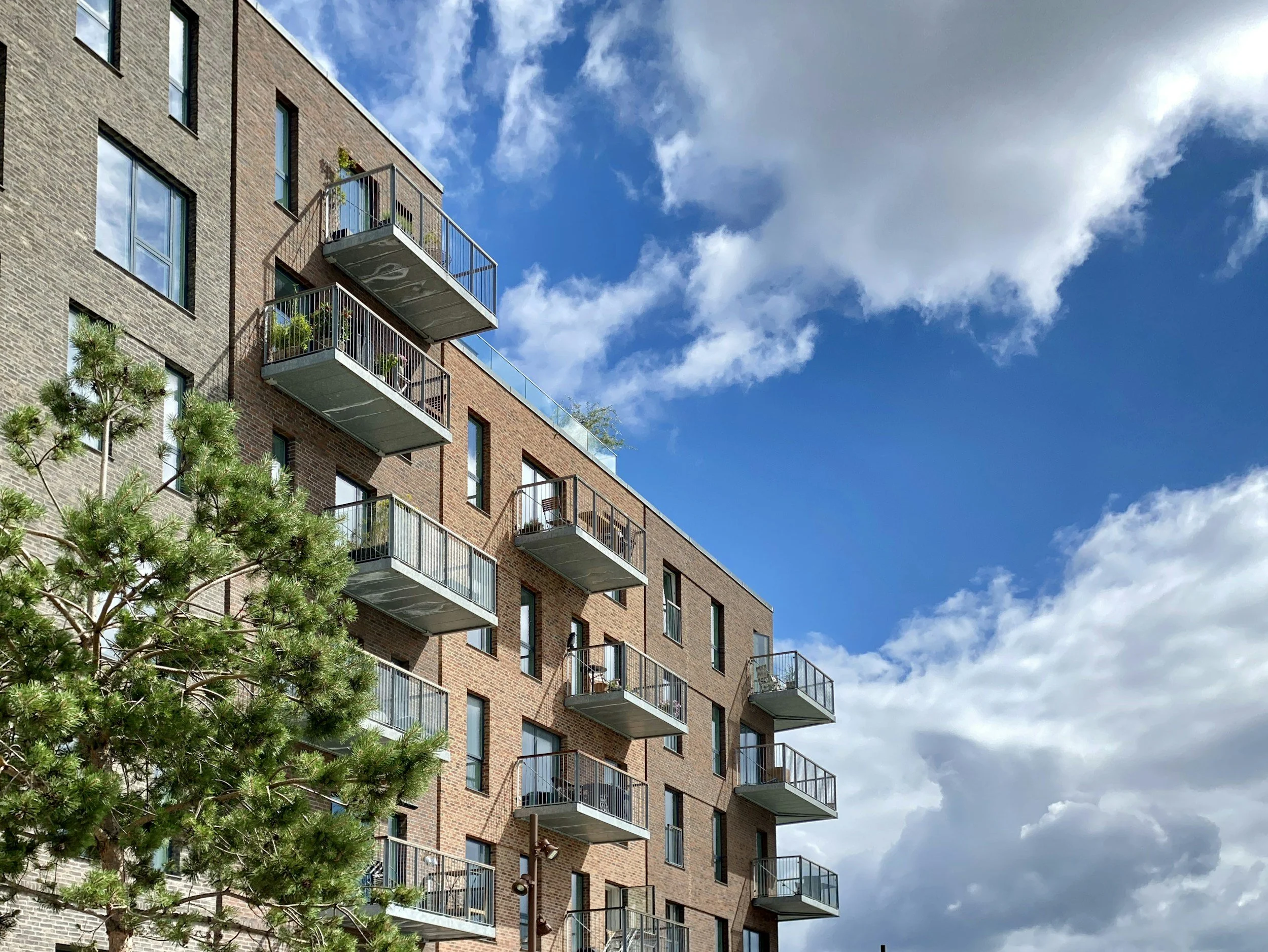
Have a list of your must-haves and nice-to-haves when you’re searching for a rental property.
3. Decide What You Need in a Rental
It's easy to get distracted by attractive photos, modern finishes and impressive building amenities. Before you start looking, decide which features are genuinely important to you.
Think about:
How many bedrooms and bathrooms you need
Whether you need parking
Whether laundry must be in the unit
Whether you need outdoor space
Whether you have a pet
How much storage you need
Whether you prefer a condo, apartment, townhouse or house
Separate your requirements into two lists: what you must have and what would simply be nice to have.
This helps you make decisions when you find a property that meets most, but not necessarily all, of your preferences.
It also makes your rental search more efficient. If you know that you need two bedrooms, parking and access to public transit, you can focus on properties that meet those requirements instead of spending time viewing unsuitable options.
4. Choose a Neighbourhood That Works for Your Everyday Life
Where you live can have as much impact on your experience as the property itself.
Toronto has a wide range of neighbourhoods, and the right one depends on your budget, commute and day-to-day priorities.
Before deciding on an area, consider:
Your commute: How long will it take to get to work or school? Check actual transit routes and travel times rather than relying on distance alone.
Public transportation: If you don't drive, look at how close you are to subway stations, streetcars, buses or GO Transit.
Everyday conveniences: Consider grocery stores, pharmacies, parks, restaurants, childcare and other places you regularly visit.
Rental costs: Compare properties in several neighbourhoods. You may find that moving a little farther from your preferred area gives you more space or better value.
Your lifestyle: Think about whether you want to be close to downtown, prefer a quieter residential area or need convenient access to highways.
If you're not sure where to start, read our guide to choosing the right neighbourhood in Toronto.
Don't choose an area based on its reputation alone. Visit if you can, explore the surrounding streets and consider what living there would actually be like.
5. View the Property and Look Beyond the Photos
Online listings are useful for narrowing down your options, but photographs don't tell you everything about a property.
When you attend a viewing, take your time. Check the condition of the unit and consider how it will work for you once you're living there.
Look at:
Windows, doors and locks
Water pressure and plumbing
Heating and air conditioning
Appliances and laundry facilities
Signs of water damage or mould
Storage and closet space
Noise from neighbouring units or nearby streets
The condition of common areas, where applicable
Ask which utilities are included in the rent and which ones you'll have to pay separately. If parking or a storage locker is advertised, confirm that it is included in the rental agreement and whether there is an additional charge.
For a condominium, ask about the building's rules and any relevant restrictions that could affect your use of the property.
If something is unclear, ask before submitting an application or signing a lease. It's much easier to clarify details before you commit.
Be careful with listings that seem unusually inexpensive or people who pressure you to send money before you've properly verified the property and the person offering it for rent.

Take the time to read through a lease agreement thoroughly because signing it.
6. Understand Your Lease Before Signing
Once your application is accepted, you'll normally be asked to review and sign a tenancy agreement.
In Ontario, the standard lease is required for most residential tenancies. It sets out important details about the agreement between you and the landlord.
Take the time to review:
The names of the landlord and tenants
The rental property's address
The monthly rent and payment date
Which utilities and services are included
The lease start date and term
Parking and storage arrangements
Whether tenant liability insurance is required
Any additional terms attached to the agreement
Make sure anything you've agreed to verbally is properly reflected in the written agreement.
Pay particular attention to the total monthly cost. If you are responsible for utilities, parking or other services, understand what those costs are before signing.
You should also understand the deposit arrangements. In Ontario, a landlord can generally collect a rent deposit for the last rental period, up to the legal limit, and a permitted refundable key deposit. A damage deposit is not allowed.
If you're unsure about a clause or your legal obligations, consult the Ontario government's guide to the standard lease or seek independent legal advice.
7. Document the Condition of the Property Before Moving In
Before unpacking, take photographs and videos of the rental unit.
Record any existing marks, scratches, damaged fixtures, appliance issues or other problems. Make sure your photographs are clear and keep copies somewhere you can access later.
Send any concerns to your landlord in writing so there's a record of the condition of the property when you moved in.
Ontario does not generally require a formal move-in inspection report for ordinary residential tenancies, but documenting the condition yourself is still a sensible precaution.
Also arrange the practical details of your move:
Set up any utility accounts you're responsible for.
Arrange tenant insurance if required by your lease.
Confirm how and when you'll receive the keys.
Book your elevator or loading area if you're moving into a condominium.
Arrange internet installation if needed.
A little preparation before moving day can save you a lot of frustration afterward.
Should You Use a Real Estate Agent to Find a Rental?
You don't have to navigate the rental search alone.
A licensed real estate agent who works with renters can help you identify suitable properties, arrange viewings, understand the application process and submit your rental offer.
This can be particularly useful if you're relocating to Toronto, have limited time to search or aren't familiar with how rental applications work in Ontario.
At Rental Realtors, we help renters find suitable houses, condos and apartments throughout the Greater Toronto Area and navigate the rental application process.
Our service is completely free for renters. The landlord pays the real estate fee when we secure a suitable tenant.
If you're planning a move, start by completing our Rental Discovery Form. Tell us where you're looking, your budget and when you need to move. We'll use that information to understand what you're looking for and whether we can help.

The rental process can be daunting. Make sure to asks many questions and get the answers before committing to renting a property.
Frequently Asked Questions About Renting for the First Time in Toronto
How much money do I need to rent an apartment in Toronto?
You'll need enough to cover the permitted rent deposit, your first rent payment when due, moving expenses and any other agreed costs. You should also budget for utilities, internet, tenant insurance and other ongoing expenses that aren't included in the rent.
What documents do I need to rent in Toronto?
Landlords and listing agents commonly request identification, a credit report, proof of income, employment information and rental references. The exact documents depend on your circumstances and the property.
Can I rent in Toronto without a Canadian credit history?
Yes. Having no Canadian credit history does not automatically prevent you from renting. You may be able to provide other documentation to demonstrate your income and financial circumstances. What a landlord will accept varies.
Do I need a real estate agent to rent an apartment in Toronto?
No. You can search for a rental and apply directly to landlords or listing agents. However, a licensed real estate agent who works with renters can help with the property search, viewings and application process.
Is a landlord allowed to ask for a damage deposit in Ontario?
No. Ontario landlords cannot require a damage deposit. They can generally collect a rent deposit, commonly used for the last rental period, and a permitted refundable key deposit.
Where can I find information about my rights as a tenant in Ontario?
The Ontario government provides information about the standard lease and tenant responsibilities. The Landlord and Tenant Board also publishes information about the Residential Tenancies Act and rental rules.
You can start with the Ontario standard lease guide and the Landlord and Tenant Board's information for new tenants.
Ready to Find Your First Rental?
Finding your first rental takes preparation, but you don't need to figure out every part of the process by yourself.
If you're looking for a rental in Toronto or elsewhere in the GTA, Rental Realtors can help you find suitable properties and navigate the application process.
Complete our Rental Discovery Form to tell us what you're looking for and get started. Our service is free for renters.