

Finding a rental in Toronto or the Greater Toronto Area can take time, especially when you're working with a limited budget or a move-in deadline. When a property looks promising, it's tempting to focus on the kitchen, the view or how easily your furniture will fit.
Before you apply or sign a lease, take time to look beyond the features in the listing. A viewing is your opportunity to check the condition of the property, ask questions and decide whether the home is right for you.
Here are six things to look for during a rental viewing, along with questions you can ask before making a decision.

1. Signs of Poor Maintenance
A property doesn't need to look brand new to be a good rental. However, visible damage and neglected repairs are worth investigating, particularly when several issues appear together.
What to look for
Check the walls, ceilings, floors, windows, taps and appliances. Look for peeling paint, damaged flooring, cracked tiles, dripping taps, broken cupboard doors and fixtures that don't work properly.
Pay particular attention to water stains around windows, beneath sinks and on ceilings. A stain could be from an old leak that has been repaired, but it could also indicate an unresolved problem.
In a condo building, take note of the common areas as well. Poorly maintained hallways, damaged doors or recurring problems in shared spaces may be worth asking about, although they don't necessarily tell you how the individual unit is managed.
What to ask
If you notice damage, ask whether it will be repaired before you move in and whether the repair can be confirmed in writing.
Don't assume that a problem is minor just because the landlord says it is. Ask for clarification if the explanation doesn't address what you've observed.

2. Musty Smells, Dampness and Other Odours
What to look for
Check for discoloured patches on walls or ceilings, bubbling or peeling paint, damp areas beneath sinks and visible mould around windows or bathroom fixtures.
A musty smell can have several causes, so it isn't proof that mould is present. However, if the smell persists or appears alongside water damage, ask about the source and whether it has been addressed.
Strong cigarette smoke, pet odours or cooking smells may also linger in carpets, curtains and other materials. Consider whether the smell is likely to be manageable or whether it could make the space uncomfortable for you.
What to ask
Ask whether there have been leaks, flooding or moisture problems and, if so, what repairs were completed.
If you see visible mould or signs of an active leak, don't rely on a fresh coat of paint as reassurance. Ask for the underlying problem to be investigated and addressed before you commit to the rental.
3. Doors, Windows and Security Concerns
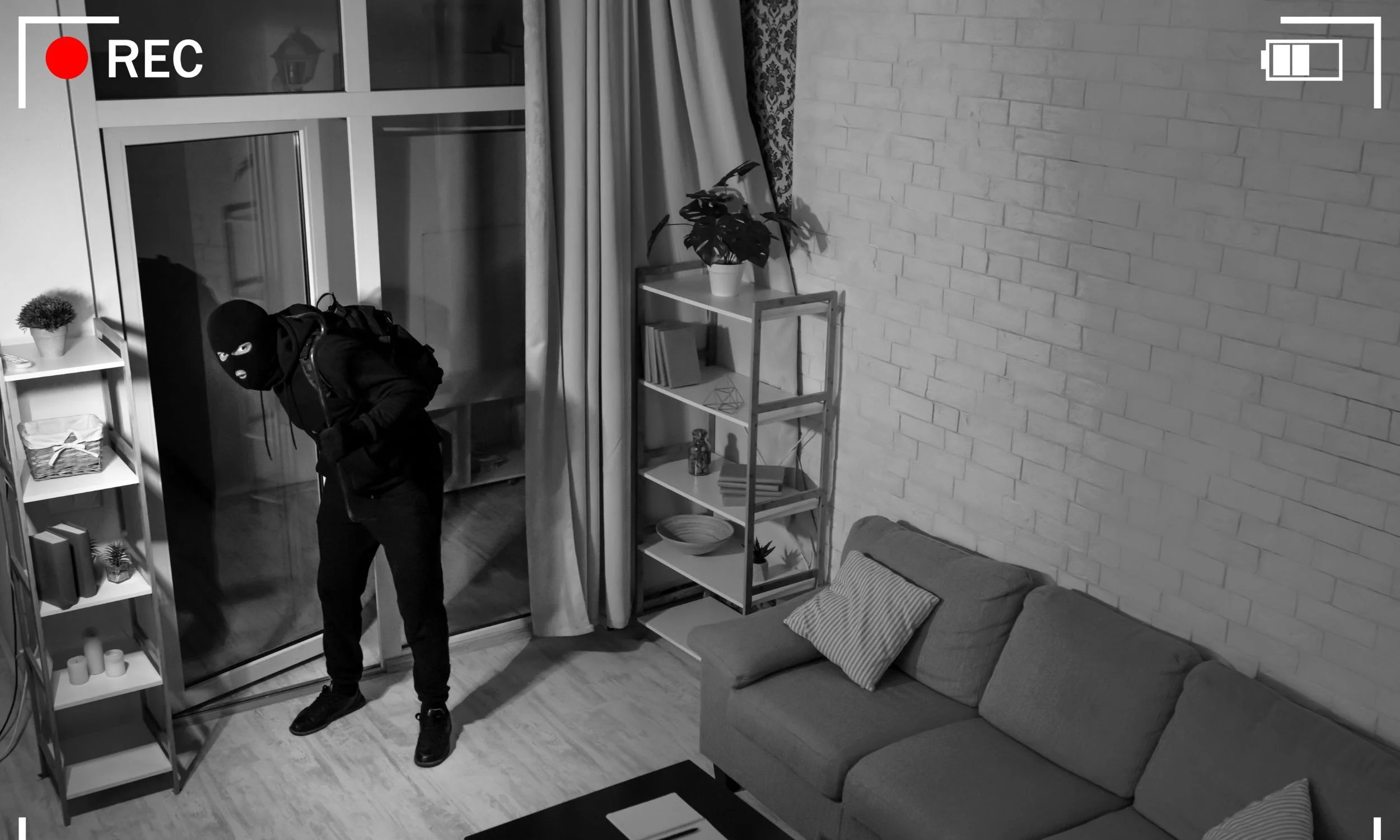
You should be able to secure your home properly. During a viewing, check that the main entrance, windows and balcony doors appear to close and lock correctly.
What to look for
Test the locks where you have permission to do so. Look for damaged door frames, windows that won't close fully, broken latches and doors that don't fit securely in their frames.
In a condominium, check how residents enter the building and whether the intercom or entry system appears to work. If the unit is on the ground floor or has an accessible balcony, pay particular attention to the security of those entry points.
Not every rental needs a private alarm system or security cameras. The important questions are whether the property can be secured and whether the building's access arrangements meet your needs.
What to ask
Ask the landlord or listing representative about any broken locks or entry systems and when they will be repaired.
If you have concerns about the building's security, ask how visitors are admitted and how residents report problems. A missing amenity isn't necessarily a red flag, but an unresolved security defect deserves attention.

4. Signs of Pests
Pest problems can be difficult to identify during a short viewing, but there are clues worth checking before you move in.
What to look for
Look around kitchen cupboards, beneath sinks, near appliances and along baseboards. Watch for droppings, small holes, damaged packaging, insect remains or other signs of pest activity.
In bedrooms and furnished units, inspect the bed and nearby furniture for possible signs of bedbugs if access is available. You don't need to dismantle furniture, but visible spotting, shed skins or live insects should prompt further questions.
One sign alone may not tell you whether there is an active infestation. If you find something concerning, document what you saw and ask for clarification.
What to ask
Ask whether there have been recent pest complaints or treatments and what was done to address them.
If the property is in a condominium, you can also ask whether there have been pest issues in the building. Problems in neighbouring units can sometimes affect other homes, so it's useful to understand how the issue would be managed if it arose.
Don't rely on a verbal assurance if you have seen clear signs of an unresolved problem. Request details about the treatment or follow-up before proceeding.

5. Unclear Answers or Poor Communication
The way a rental representative responds to reasonable questions can tell you something about the application process. However, one delayed response doesn't automatically mean that a landlord will be difficult to deal with.
What to look for
Pay attention to whether your questions are answered clearly and whether the information matches the listing.
Be cautious if you're pressured to send money before you've verified the property and the person offering it for rent. Other warning signs include inconsistent information about who owns or manages the property, refusal to explain the lease terms, or promises about repairs that no one is willing to document.
You should also be able to review the proposed rental agreement before committing to it.
What to ask
Clarify who you'll contact if something needs repair, how maintenance requests are submitted and what the application process involves.
Verify that the person offering the property has the authority to rent it. Be especially careful if someone asks for a deposit before you have had a reasonable opportunity to verify the listing, the rental arrangement and the relevant documentation.
You don't need a landlord who responds instantly to every message. You do need clear information about the property, the agreement and the next steps.

6. Noise, Building Conditions and the Surrounding Area
A unit can look excellent during a short viewing and still be uncomfortable to live in. Think about what the property and its surroundings will be like during your normal routine.
What to look for
Listen for traffic, construction, elevators, mechanical equipment and noise from neighbouring units. Check whether the windows appear to close properly and whether you can hear sounds from hallways or shared spaces.
If possible, visit the area at another time of day. A quiet afternoon viewing won't necessarily tell you what the street is like during rush hour or late in the evening.
Consider practical details such as your commute, access to transit, grocery stores, lighting around entrances and the condition of common areas. These factors can affect your daily experience even when the unit itself is in good shape.
What to ask
Ask whether there is planned construction nearby or any known recurring noise issue in the building. You can also ask about the building's rules for noise, guests and shared amenities.
Research the neighbourhood using reliable local information, and visit in person if you can. Avoid relying on a single online review or an assumption about an area based on its reputation.
The right choice depends on your own routine, priorities and comfort level.
What to Do If You Find a Red Flag
Finding a problem during a viewing doesn't always mean you should reject the property. The important thing is to understand what you've found and whether it can be resolved.
Before making a decision:
Take notes. Record the specific issue and where you noticed it. Take photos where permitted.
Ask direct questions. Find out whether the problem is known, whether it has been repaired and what will happen next.
Get important promises in writing. If a repair is supposed to be completed before move-in, ask for written confirmation of the work and timing.
Consider the seriousness of the issue. A loose cupboard handle is different from an active leak, a broken exterior lock or evidence of an unresolved pest problem.
Don't let urgency replace due diligence. A tight move-in deadline can make you feel that you must accept the first suitable property. Take the time you need to understand the rental agreement and the condition of the home.
For additional guidance, read the Government of Ontario's information on renting in Ontario and your rights.
Use a Rental Viewing Checklist
It's easy to forget what you noticed when you're viewing several properties in one day. A simple checklist can help you compare units fairly and remember which questions still need answers.
Before leaving each viewing, consider whether you've checked:
The condition of walls, floors, ceilings, windows and appliances
Signs of leaks, dampness, mould or pests
Door and window locks and building entry arrangements
Persistent odours or unusual noise
Included utilities, parking, laundry and other advertised features
Outstanding repairs and the answers to your questions
The commute, nearby services and the surrounding area
The proposed lease terms and the next steps in the application process
You can use these notes to compare properties against your budget and priorities rather than making a decision based only on appearance.
Conclusion
A rental viewing is about more than deciding whether you like the look of a property. It's an opportunity to identify potential problems, ask questions and work out whether the home will suit your needs.
Some issues are minor and can be resolved. Others require further investigation before you commit. If something doesn't look right, ask for an explanation and take the time to assess the answer.
If you're looking for a rental in Toronto or the GTA, Rental Realtors can help you narrow down suitable options and work through the rental search. Start by completing our Rental Discovery Form to tell us what you're looking for.
